
Indonesia Wildfire Haze Intensifies as Singapore Pollution Hits Yearly High
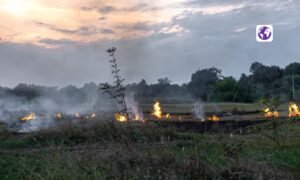
Singapore recorded its highest air pollution reading of 2026 on October 14, while East Timor suspended face-to-face classes for three days from October 15 as smoke from Indonesian wildfires spread across the region.
According to Reuters, Singapore’s one-hour PM2.5 reading reached 284 micrograms per cubic metre in the western part of the city-state, entering the National Environment Agency’s “very high” category for the first time during the current haze period.
The worsening Indonesia wildfire haze has also affected air quality in parts of Indonesia and Malaysia, raising concerns about the impact of prolonged fires on public health and daily life.
East Timor announced the temporary suspension of in-person learning because of contamination from wildfire particles in neighbouring regions or countries. The government did not explicitly name Indonesia in its statement, although the country shares an island with Indonesia’s East Nusa Tenggara province, where fire hotspots have been reported.
Indonesia is facing its most intense wildfire season in 11 years, with dry conditions associated with El Niño contributing to the fires. In Central Kalimantan, the country’s ISPU air pollution index exceeded 1,200 on October 14, according to Indonesia’s Environment Ministry. The figure was four times the index’s hazardous threshold of 300.
The government has expanded its firefighting operations. More than 69,000 personnel have been deployed, up from around 44,000 in mid-September, according to Honi Havana, an official at the Coordinating Ministry for Political and Security Affairs. Authorities are also testing chemical methods to improve fire suppression.
The Indonesia wildfire haze is creating a cross-border environmental challenge, with smoke reducing visibility and worsening air quality beyond the areas directly affected by fires.
Peatland fires remain particularly difficult to control because they can smoulder beneath the surface and reignite. Berton Panjaitan, a spokesperson for Indonesia’s disaster mitigation agency, said sustained rainfall was the only way to resolve the situation.
Singapore’s PM2.5 reading remains well below the national record of 471 micrograms per cubic metre recorded in western Singapore during the 2015 Indonesian wildfires.
Southeast Asian foreign ministers are expected to discuss transboundary haze at an ASEAN meeting next month. Meanwhile, Indonesia’s firefighting efforts and weather conditions will be key factors in determining how the situation develops.
The immediate challenge is to contain the fires, limit further smoke pollution and reduce the impact on communities across the region.