
Key Economic Decisions Reshape Nation’s Growth and Workforce in 2026 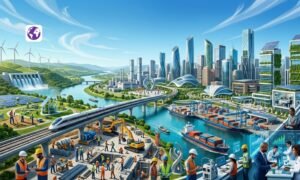
By 2026, big shifts in money matters start steering how countries grow, who gets hired, and where funds move – policies now lean on live stats, better tech systems. Interest rate moves tighten in key nations, yet cash still finds its way into clean energy and startups, trying to cool prices without killing progress. Worker training picks up speed here, online government tools spread there, transport grids get smarter – all pushing efficiency gains beyond just city centers.
Now growth isn’t just fast – it’s built to last. Leaders push economic rise alongside tougher shields against hacking threats, extreme weather, or broken supply lines. Across Africa, officials working with groups like Afreximbank and the African Development Bank mix road plans with power grids plus internet networks in single financing moves. These joint efforts make it easier for nations to pull in outside investment while stepping back from relying only on raw material exports. Instead of leaning on imports, more governments now boost homegrown factories through training tie-ups and lighter tax loads. Their aim? Stronger local production webs that stand firm when global pressures hit.
Some governments now mix traditional job rules with newer types of freelance digital work, testing fresh ways to support workers in tech and creative fields. Voices like Tony Elumelu, Aliko Dangote, and key financial leaders push harder inclusion, saying real progress shows when young people, women, and those outside cities gain fair access. Their point lands simply – growth means little if it lifts only a few.
Read Also: Global CIO Champions AI‑Driven Transformation in 2026