Edge Computing vs Cloud Computing: Understanding the Future of Modern Data Processing 
As digital technologies continue to evolve, businesses are generating and processing more data than ever before. From smart devices and connected vehicles to real-time analytics and artificial intelligence, the demand for faster data processing has significantly increased. In this rapidly transforming environment, the debate around edge computing vs cloud computing has become increasingly relevant. Both technologies play critical roles in modern IT infrastructure, but they operate in different ways and serve different purposes depending on business needs.
Understanding how these models work and how they complement each other can help organizations design more efficient, secure, and scalable technology strategies.
Understanding the Foundations of Cloud Computing
Cloud computing has been the backbone of digital transformation for over a decade. It allows organizations to store data, run applications, and access computing resources through remote servers hosted on the internet instead of relying on local infrastructure. Major cloud platforms provide scalable storage, powerful computing capabilities, and global accessibility.
The cloud model offers several advantages for businesses. It reduces the need for expensive hardware investments and allows organizations to scale their operations based on demand. Companies can quickly deploy applications, run large-scale data analytics, and support remote work environments through cloud-based platforms.
However, cloud computing also comes with certain limitations, particularly when it comes to latency and real-time data processing. Since data must travel from the device to centralized cloud servers and back, delays can occur. For many traditional applications this delay is negligible, but for emerging technologies such as autonomous vehicles, industrial automation, or smart healthcare systems, milliseconds can make a critical difference.
This challenge has contributed to the growing discussion around edge computing vs cloud computing as organizations search for faster and more efficient ways to process data.
What Makes Edge Computing Different
Edge computing brings processing power closer to where data is generated. Instead of sending all information to a distant cloud data center, edge computing processes data locally on devices or nearby servers. This approach significantly reduces latency and allows systems to make real-time decisions without relying entirely on centralized infrastructure.
For example, in a smart manufacturing environment, sensors on machines constantly collect data about temperature, performance, and equipment health. If this data must travel to the cloud for analysis before triggering an alert, valuable time may be lost. With edge computing, the analysis can happen directly at the source, enabling immediate responses.
Another advantage of this approach is bandwidth optimization. By processing and filtering data locally, only the most important information is transmitted to the cloud. This reduces network congestion and improves overall system efficiency.
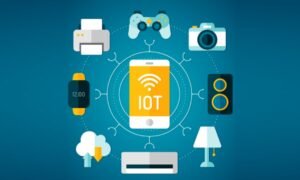
The increasing adoption of Internet of Things (IoT) devices, smart cities, and autonomous systems has intensified conversations around edge computing vs cloud computing because these technologies require rapid decision-making and continuous data streams.
Key Differences in Performance, Security, and Scalability
When comparing edge computing vs cloud computing, the most noticeable difference lies in where data processing occurs. Cloud computing centralizes processing in large data centers, while edge computing distributes processing closer to devices and users.
Latency is another major factor. Cloud platforms may experience slight delays due to network travel time, whereas edge computing minimizes delays by processing data near the source. This makes edge computing particularly suitable for applications that require real-time responses.
Security considerations also differ between the two models. Cloud environments often benefit from strong centralized security frameworks and regular updates managed by cloud providers. Edge environments, on the other hand, distribute data across multiple locations, which may increase the number of potential entry points for cyber threats. Organizations must therefore implement robust security practices to protect edge devices and networks.
Scalability is where cloud computing continues to shine. Cloud platforms can easily expand computing resources based on demand, making them ideal for large-scale analytics, machine learning workloads, and enterprise applications. Edge computing, while powerful for localized processing, typically relies on smaller hardware systems with limited capacity.
Despite these differences, the debate around edge computing vs cloud computing should not be viewed as a competition where one technology replaces the other. Instead, both models often work together to create hybrid infrastructures.
The Rise of Hybrid Architectures
Many modern organizations are adopting hybrid approaches that combine the strengths of both computing models. In these architectures, edge systems handle real-time processing and immediate decision-making, while cloud platforms manage large-scale data storage, advanced analytics, and long-term insights.
For example, a connected healthcare device may analyze patient data locally for immediate alerts while simultaneously sending aggregated data to the cloud for deeper medical research and predictive analysis. Similarly, retail businesses may use edge computing in stores to analyze customer behavior in real time while relying on cloud systems for broader inventory management and business intelligence.
The discussion of edge computing vs cloud computing is therefore evolving into a conversation about collaboration between technologies rather than a simple comparison.
Hybrid infrastructures also support better reliability. If connectivity to the cloud is temporarily lost, edge devices can continue operating independently. This ensures that critical services remain functional even during network disruptions.
Choosing the Right Approach for the Future
As organizations continue to adopt digital technologies, choosing the right computing model will depend on specific operational requirements. Applications that demand real-time responses, low latency, and localized data processing may benefit from edge computing solutions. Meanwhile, large-scale data storage, global accessibility, and advanced analytics will continue to rely heavily on cloud infrastructure.
The growing relevance of edge computing vs cloud computing reflects the broader shift toward distributed computing environments. Businesses are no longer limited to a single architecture; instead, they can design flexible systems that combine multiple technologies to optimize performance and efficiency.
Ultimately, the future of digital infrastructure will likely involve a balanced integration of both models. By understanding how each approach works and where it delivers the greatest value, organizations can build technology ecosystems that support innovation, scalability, and long-term growth in an increasingly data-driven world.