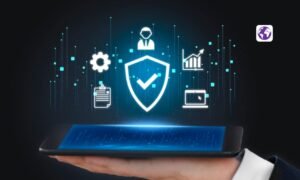
Government IT Modernization Drives Digital Transformation Across Public Sector Systems 
Across the globe, offices that run countries are shifting toward new tech setups because going digital now matters more than ever. People want help from officials to work smoothly, quickly, and without hassle – much like what they get from online businesses. Because of this pressure, departments managing public tasks have started upgrading their computer systems to phase out outdated tools, deliver support better, while also guarding data more carefully.
Achieving smooth operations in public agencies once depended on outdated tech built long before today’s digital demands existed. Outdated setups now fail at handling current online tasks, which leads to slowdowns along with weak spots in protection. With leaders focusing more on insights pulled from data plus smoother experiences for residents, updating old computer frameworks isn’t just helpful – it’s essential.
Legacy systems are outdated but still in use
Old tech sticks around, especially where it’s hardest to change. Government offices often run on machinery and programs built years ago – costly upkeep comes with that choice. Updating feels like a mountain climb because parts do not talk to each other anymore. Modern tools struggle to fit into setups never made for them, blocking smoother workflows and information sharing.
Shifting away from old tech, government IT upgrades build room to grow through adaptable digital setups. Faster rollouts happen when agencies use current tools instead of legacy ones. Handling information becomes smoother once clunky systems get swapped out. Problems pop up less often if updates move at pace with real needs. Efficiency climbs as workers spend less time wrestling broken software. Public access improves not because it is promised but because systems finally work. Old bottlenecks fade when infrastructure stops holding things back.
Modernization also reduces the operational risks associated with obsolete technology. Older systems often lack security updates and vendor support, making them vulnerable to cyber threats. Upgrading to modern frameworks helps agencies strengthen their cybersecurity posture and protect sensitive public data.
Cloud Adoption and Digital Infrastructure Transformation
One of the most significant drivers of government IT modernization is the adoption of cloud computing technologies. Cloud platforms allow government agencies to store data, run applications, and scale resources without relying on expensive on-premise infrastructure. This shift enables greater flexibility and faster deployment of digital services.
Cloud-based environments also support collaboration across departments and agencies. Instead of maintaining isolated data silos, organizations can share information securely and coordinate more effectively. This capability is particularly valuable during national emergencies, public health crises, or large-scale infrastructure initiatives where real-time information sharing is essential.
Another important aspect of modernization involves upgrading network infrastructure and adopting advanced technologies such as artificial intelligence, data analytics, and automation. These tools help governments analyze large volumes of information, identify trends, and make informed policy decisions. Digital platforms also enable governments to deliver services online, reducing administrative burdens and improving accessibility for citizens.
Improving Citizen Services Through Digital Innovation
The ultimate goal of government IT modernization is to enhance the experience of citizens who rely on public services. Digital transformation allows governments to provide faster, more convenient access to essential services such as licensing, tax filing, healthcare registration, and social benefits.
Online portals and mobile applications are replacing traditional paper-based processes. Citizens can now access services anytime and from anywhere, eliminating long wait times and reducing administrative complexity. Digital identity systems and secure authentication tools further improve efficiency while protecting personal data.
Modern technology also enables governments to personalize services based on individual needs. Data-driven insights allow agencies to identify gaps in service delivery and develop targeted solutions. For example, predictive analytics can help identify communities that require additional resources or support.
Furthermore, digital platforms increase transparency and accountability. Governments can publish open data, track service performance, and communicate more effectively with citizens. This improved visibility builds trust and encourages greater civic participation.
Building a Sustainable and Secure Digital Future
While modernization brings numerous benefits, it also requires careful planning and strong governance. Successful government IT modernization involves more than simply adopting new technologies. It requires a cultural shift within public institutions, encouraging collaboration, innovation, and continuous improvement.
Workforce development plays a crucial role in this transformation. Government employees must be equipped with the digital skills needed to manage modern technology systems and analyze complex data. Training programs and partnerships with technology providers can help bridge the skills gap and support long-term modernization goals.
Cybersecurity is another critical consideration. As government services become increasingly digital, protecting sensitive data becomes even more important. Modern IT frameworks incorporate advanced security measures such as encryption, threat detection, and continuous monitoring to safeguard critical infrastructure.
Governments must also establish clear regulatory frameworks and procurement strategies to ensure that modernization initiatives remain efficient and cost-effective. Public-private partnerships often play an important role in delivering large-scale technology projects and accelerating innovation.
Ultimately, government IT modernization is reshaping how public institutions operate and interact with citizens. By investing in modern infrastructure, embracing digital technologies, and strengthening cybersecurity, governments can build resilient systems capable of meeting the demands of a rapidly evolving digital world. This transformation not only improves public service delivery but also lays the foundation for smarter governance and sustainable economic development.